


Ksirs PressKsirs Press
  • Science
  • Technology
  • Health
  • Business
  • Travel
Search
Technology
  • Contact
  • Blog
  • Complaint
  • Advertise
Health
  • Contact
  • Blog
  • Complaint
  • Advertise
© 2022 K'sirs Press by Captsee. All Rights Reserved.
Reading: Simarouba glauca – K’sirs Tree talk
Share
Sign In
Notification Show More
Latest News
From Banking to Teaching: My Journey Through IGCSE and IB
August 26, 2026
How Carpentry is Building More Than Just Wooden Creations
August 20, 2026
My Years at School
August 13, 2026
Building a Hotel for Bugs: When Learning Finds a Purpose
August 7, 2026
India’s 100th Ramsar Site: Celebrating Our Wetland Wonders!
July 18, 2026
Aa
Ksirs PressKsirs Press
Aa
  • Business
  • Politics
  • Travel
  • Entertainment
  • Science
  • Technology
  • Fashion
Search
  • Science
  • Technology
  • Health
  • Business
  • Travel
Have an existing account? Sign In
Follow US
  • Contact
  • Blog
  • Complaint
  • Advertise
© 2022 Foxiz News Network. Ruby Design Company. All Rights Reserved.
Ksirs Press > Blog > Nature > Simarouba glauca – K’sirs Tree talk
NatureOur EarthScience

Simarouba glauca – K’sirs Tree talk

Anuska Das
Anuska Das February 17, 2023
Updated 2023/06/25 at 1:10 PM
Share
2 Min Read
SHARE

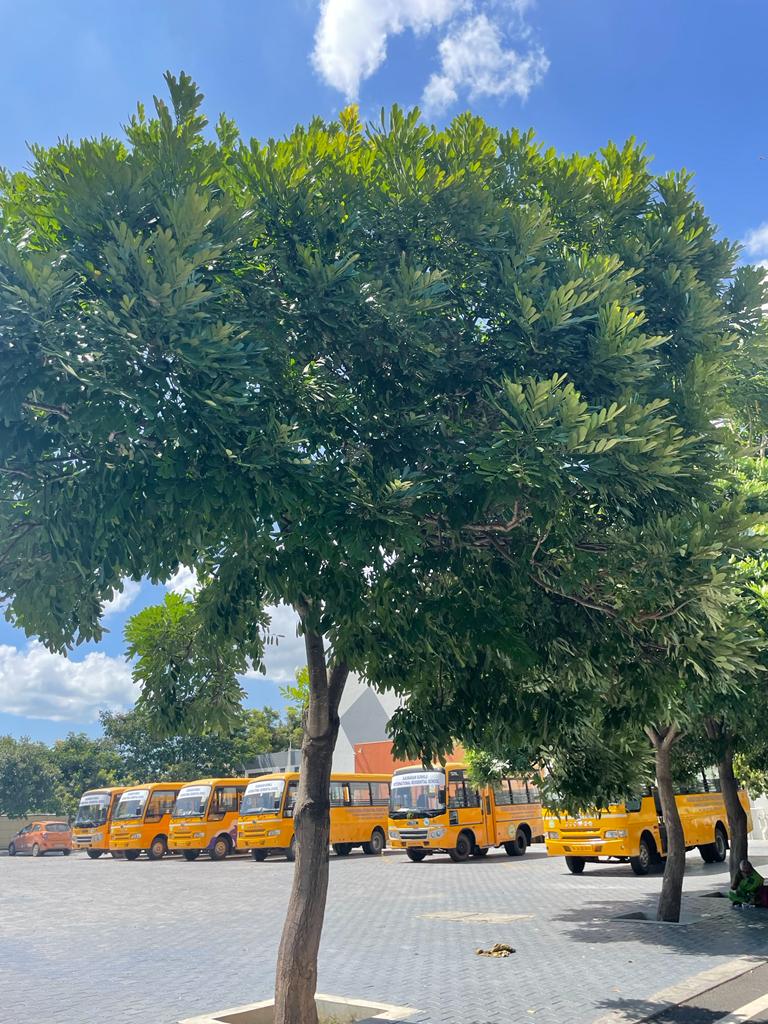
 Simarouba glauca is an evergreen flowering tree native to South America and the Caribbean. It is commonly called paradise-tree, dysentery-bark or bitterwood. The tree is well suited for tropical regions and its cultivation depends on rainfall distribution. It yields yellow flowers pollinated by bees and has a plump, oval and elongated purple fruit. The plant can grow about 40-50 feet tall and 25-30 feet wide, requiring a mean annual temperature of 22-90 degrees Celsius and a yearly rainfall of 2000 to 3000 mm. In our school (K’sirs) campus you can find this tree near our cycles parking area providing ample shade for us to sit under and enjoy our lunch.
It’s uses

Wood from this tree is insect-resistant and is used to manufacture toys, furniture, matches, and wood pulp for paper. Leaf litter and pulp produce rich vermicompost and organic matter. Simarouba produces raw material for soaps, detergents, biofuel, lubricants, cosmetics, varnishes, and pharmaceutical drugs.

The tree can also cure several diseases. The roots, leaves, bark extract, seeds and fruit pulp are remedies for Anemia, Acid reflux, Malaria, Edema, and fever. It is claimed to possess anticancer properties. Oil from the seed is free from bad cholesterol and is used as an alternative to common fat sources for baking in South America.

Animal life dependent on this tree

Simarouba glauca provides shelter for a lot of birds and insects (specially termites and bullet ants), supports soil microbial life, and facilitates the effective positioning of groundwater. And just like other plants it holds the soil together and reduces the presence of greenhouse gases in the atmosphere.
You Might Also Like

Building a Hotel for Bugs: When Learning Finds a Purpose

India’s 100th Ramsar Site: Celebrating Our Wetland Wonders!

Cosmic Trails and Mountain Whispers: A Wild Journey Through Ladakh

From Curiosity to Passion: Discovering Bird Photograph

Lake of Lessons: A Journey from Sightseeing to Stewardship

TAGGED: bitterwood, dysentery bark, paradise tree, Simarouba Glauca, tree

Sign Up For Daily Newsletter

Be keep up! Get the latest breaking news delivered straight to your inbox.
[mc4wp_form]
By signing up, you agree to our Terms of Use and acknowledge the data practices in our Privacy Policy. You may unsubscribe at any time.
Anuska Das February 17, 2023
Share this Article
Facebook TwitterEmail Print
Share
Previous Article The Kurumbas tribe
Next Article Common Myna
Leave a comment Leave a comment

Leave a Reply Cancel reply

Your email address will not be published. Required fields are marked *

Stay Connected

6.8k Followers Like
1.9k Followers Follow
1.5k Subscribers Subscribe

Latest News

From Banking to Teaching: My Journey Through IGCSE and IB
Blog Education August 26, 2026
How Carpentry is Building More Than Just Wooden Creations
Childhood Culture Education Skills August 20, 2026
My Years at School
Blog Education Life August 13, 2026
Building a Hotel for Bugs: When Learning Finds a Purpose
Animal life Blog Environment Life Nature Our Earth August 7, 2026

You Might also Like

Building a Hotel for Bugs: When Learning Finds a Purpose

August 7, 2026

India’s 100th Ramsar Site: Celebrating Our Wetland Wonders!

July 18, 2026
AstronomyDestinationsDiscoverEducationEnvironmentNatureOur EarthScienceTravelVacation

Cosmic Trails and Mountain Whispers: A Wild Journey Through Ladakh

July 23, 2025
BirdsEnvironmentLifeMediaNature

From Curiosity to Passion: Discovering Bird Photograph

April 23, 2025
//

We influence young minds – An Initiative by students of K’sirs.

Sign Up for Our Newsletter

Subscribe to our newsletter to get our newest articles instantly!

    Ksirs PressKsirs Press
    Follow US

    © 2022 K'sirs Press by Captsee. All Rights Reserved.

    Removed from reading list

    Undo
    Welcome Back!

    Sign in to your account

    Lost your password?
