




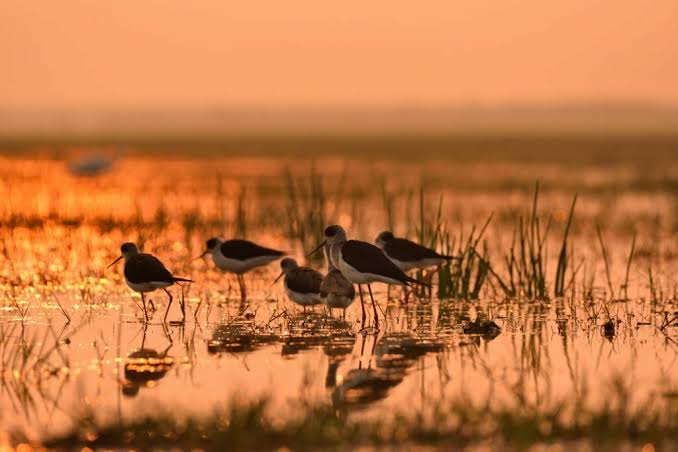
India has achieved a historic environmental milestone. On World Environment Day, 5 June 2026, the Jai Prakash Narayan Bird Sanctuary (Surha Tal) in Ballia, Uttar Pradesh, was officially designated as India’s 100th Ramsar site. This achievement makes India the first country in South Asia to reach 100 Ramsar sites.
Understanding Ramsar Sites
Ramsar sites are wetlands recognized under the Ramsar Convention, an international treaty signed in 1971 in Ramsar, Iran. These wetlands are designated “wetlands of international importance” because they support exceptional biodiversity and provide crucial ecosystem services. India joined the convention in 1982. Our first Ramsar site, Chilika Lake in Odisha, was recognized in 2002. Since 2014, the government has dramatically increased the number of Ramsar sites from just 24 to 100—a remarkable 12-year conservation journey.
The Critical Roles of Wetlands
Wetlands are not just bodies of water; they are nature’s most powerful and versatile ecosystems, performing functions no other environment can replicate. Understanding their roles shows why protecting them is essential for our survival:
- Biodiversity Powerhouses
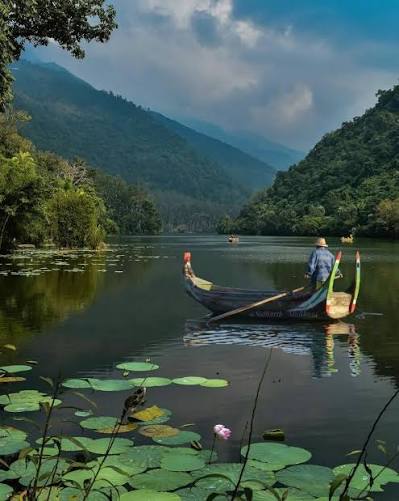
Wetlands are among the most productive ecosystems on Earth, supporting an astonishing variety of life. They serve as critical habitats for thousands of species of birds, fish, amphibians, reptiles, insects, and plants. Many wetlands act as breeding grounds, nurseries, and feeding stations for migratory birds that travel thousands of kilometers. Without wetlands, countless species would disappear and the delicate balance of nature would collapse.
- Water Purification System
- Wetlands are nature’s most efficient water filters. As water flows through wetland vegetation, sediments, and soils, pollutants, heavy metals, and excess nutrients are naturally removed. This process cleans water without expensive treatment facilities. Wetland plants and microorganisms break down harmful chemicals, making water safer for human consumption, agriculture, and wildlife. Essentially, wetlands save billions of rupees in water treatment costs while providing cleaner water for everyone.
- Climate Change Fighters
Wetlands are powerful carbon sinks, storing far more carbon per acre than many forests. They trap carbon dioxide from the atmosphere and lock it into soil and vegetation for centuries. By doing so, wetlands help slow global warming and reduce the impacts of climate change. When wetlands are destroyed, this stored carbon is released back into the atmosphere, accelerating climate problems. Protecting wetlands is one of the most effective strategies we have for combating climate change.
- Natural Flood Control
During heavy rains and monsoons, wetlands act as giant natural sponges, absorbing and storing excess water that would otherwise cause devastating floods. They slowly release this water over time, preventing sudden surges that damage homes, crops, and infrastructure. Coastal wetlands like mangroves also protect shorelines from storm surges, waves, and erosion. In a world with more frequent extreme weather, wetlands provide free, reliable flood protection that saves lives and prevents economic losses.
Wetlands are nature’s most efficient water filters. As water flows through wetland vegetation, sediments, and soils, pollutants, heavy metals, and excess nutrients are naturally removed. This process cleans water without expensive treatment facilities. Wetland plants and microorganisms break down harmful chemicals, making water safer for human consumption, agriculture, and wildlife. Essentially, wetlands save billions of rupees in water treatment costs while providing cleaner water for everyone.
- Groundwater Recharge
Wetlands replenish underground water reserves that supply wells, springs, and aquifers. They allow water to percolate into the ground, maintaining groundwater levels that communities depend on for drinking water, irrigation, and daily use. Without wetlands, groundwater levels would drop, leading to water scarcity for millions.
- Agricultural Support
Wetlands provide vital benefits for farming. They supply irrigation water, maintain soil fertility through nutrient cycling, and support pollinators that help crops grow. Many wetlands also serve as natural fish-breeding areas, providing food and income for fishing communities. Rice cultivation, one of India’s most important crops, depends directly on wetland ecosystems. Protecting wetlands means protecting our food security.
- Economic and Employment Value
Wetlands support countless jobs and livelihoods. Fishing, aquaculture, honey collection, fodder harvesting, and ecotourism all depend on healthy wetlands. The designation of Surha Tal as a Ramsar site is expected to boost ecotourism in Ballia, creating jobs and economic opportunities for local communities. Wetlands also reduce costs by providing natural services that would otherwise require expensive infrastructure.
- Cultural and Spiritual Significance
For centuries, wetlands have held deep cultural, religious, and spiritual importance across India. Many wetlands are sacred sites where people perform rituals, celebrate festivals, and connect with nature. They preserve traditional knowledge, folklore, and cultural practices passed down through generations. Protecting wetlands means preserving cultural heritage and the identities of communities that have lived alongside them.
- Scientific and Educational Value
Wetlands are living laboratories where scientists study ecology, biology, climate patterns, and environmental change. They offer invaluable opportunities for students and researchers to learn about nature, conduct experiments, and understand ecosystem function. The educational value of wetlands inspires the next generation of environmental scientists, conservationists, and stewards.
- Disease Prevention
Healthy wetlands help control disease by maintaining balanced ecosystems. They support populations of animals that naturally control pests and disease-carrying organisms. When wetlands are degraded, this balance is disrupted, potentially increasing disease transmission. Well-managed wetlands contribute to public health by maintaining ecological stability.
The truth is that without wetlands, our planet would be far less capable of supporting life. They are the invisible workforce keeping our environment healthy, our water clean, our climate stable, and our communities safe. Every time we protect a wetland, we protect ourselves.
When I first learned how wetlands operate like nature’s hidden superpowers—protecting, nurturing, and sustaining life—I realized every pond, lake, and marsh is a treasure worth protecting.
The Historic 100th Site: Surha Tal
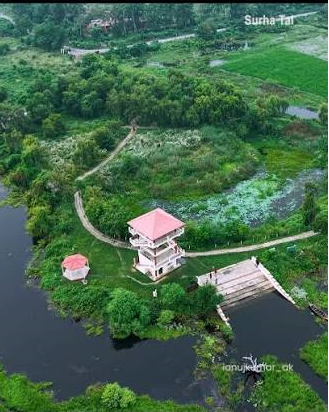
The Jai Prakash Narayan Bird Sanctuary, popularly known as Surha Tal, is a freshwater oxbow lake in Ballia district, Uttar Pradesh. It lies in the middle stretch of the Ganga River basin and is now the world’s 2,595th Ramsar site. Before this designation, India had 99 Ramsar sites across 28 states. Surha Tal is now the 13th Ramsar site in Uttar Pradesh, bringing international attention to this vast natural lake. The designation is expected to boost ecotourism, create jobs, support wetland conservation, and promote biodiversity research in the region.
What This Means for Our Community
As students, parents, and teachers, we all play a role in protecting wetlands. Students can join environmental clubs, learn about local wetlands, and spread awareness. Parents can support conservation initiatives and encourage eco-friendly practices at home. Teachers can integrate wetland education into curricula and organize field visits to these natural spaces.
India’s 100th Ramsar site announcement on World Environment Day 2026 represents decades of dedicated conservation work by scientists, government agencies, local communities, and environmental activists. From our first protected wetland in 2002 to 100 Ramsar sites today, India has shown remarkable commitment to conservation. This milestone is more than a number—it celebrates our dedication to preserving vital ecosystems for future generations. Let’s take pride in this achievement and continue supporting wetland conservation in our communities.
Read more: India’s 100th Ramsar Site: Celebrating Our Wetland Wonders! https://www.drishtiias.com/state-pcs-current-affairs/jai-prakash-narayan-bird-sanctuary-surha-tal-becomes-indias-100th-ramsar-site: India’s 100th Ramsar Site: Celebrating Our Wetland Wonders!